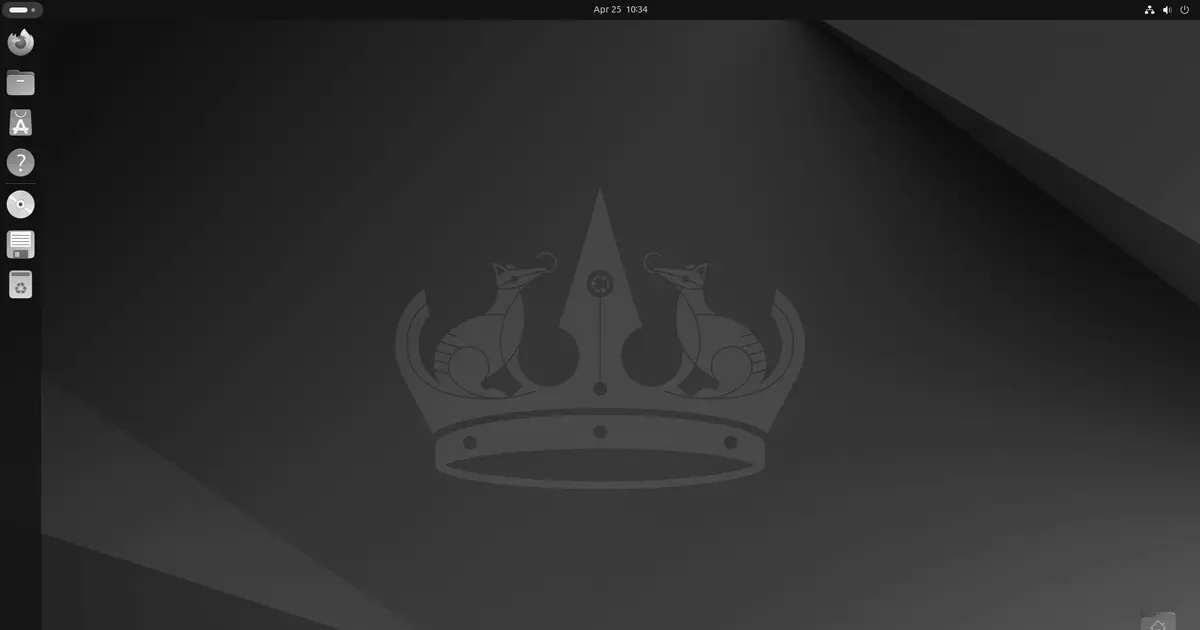
On 19 May 2026 Canonical released Ubuntu Core 26, the new LTS edition of its operating system for embedded and IoT devices. It lands alongside Ubuntu 26.04 LTS and shares its base, so it inherits up to 15 years of security maintenance. If you run a fleet of devices that has to keep working for a decade or more without anyone physically touching them, that number is the one that matters.
Ubuntu Core isn’t desktop Ubuntu. It’s a fully snap-based build aimed at industrial gateways, cameras, medical equipment, or any box that boots, does its job and updates itself. The headline change in this release is the size of those updates.
Much lighter OTA updates
Most snaps cut their over-the-air update size by 50% to 90%. The clearest example is the core base snaps: they drop from 16MB to 1.5MB. The full base image shrinks by 7%. The work behind this is Chisel, a build system that traces every file back to its source with explicit dependencies, so only what’s actually needed ends up in the image.
For a device on an expensive cellular link or a constrained network, pulling 1.5MB instead of 16 on every patch changes the cost maths. Initramfs-based installations also cut redundant reboots during deployment.
Livepatch comes to ARM64
Until now, rebootless kernel patching (Livepatch) was available on AMD64, supported across Ubuntu Core 20 onwards. Core 26 brings the feature to ARM64 for the first time. An Arm device can now receive patches for critical and high vulnerabilities between maintenance windows without rebooting. On infrastructure you can’t take offline, patching without a reboot is exactly what you want.
Hardware-rooted security
Ubuntu Core 26 seals encryption keys with the TPM and stores them in the LUKS2 header. On Arm platforms it adds native OP-TEE integration to use TrustZone, so key protection is rooted in hardware. These are foundational improvements for full disk encryption on devices that may end up in anyone’s hands.
Graphics and packaging
Ubuntu Frame, the compositor for kiosk screens and devices, can now display multiple graphical applications with configurable layouts and an accessibility launcher, alongside the new gpu-2604 interface for graphics acceleration. On the packaging side, Snapcraft introduces components: optional pieces (drivers, translations, debug symbols) shipped separately from the main snap.
Among the hardware partners, Canonical highlights the Renesas RZ family MPUs for their faster boot times. The target workloads are IoT gateways, embedded AI inference, edge computing and mission-critical infrastructure.
If you’re coming from an earlier Core release or weighing up which base to build a long-lived product on, this is the LTS reference to start from. There’s more context on the distribution in our Ubuntu page.
Source
Details from Canonical’s official announcement: Canonical launches Ubuntu Core 26 (ubuntu.com/blog). Ubuntu and Ubuntu Core are built by Canonical.