
Few projects have shaped free software as decisively as Debian. It was born in the early 1990s and bet from day one on a community-driven model that still holds up much of the GNU/Linux world today. Here we go back over its first steps, the releases that built its foundations, and a handful of curiosities that explain why Debian remains a legend.
A Usenet post that changed history
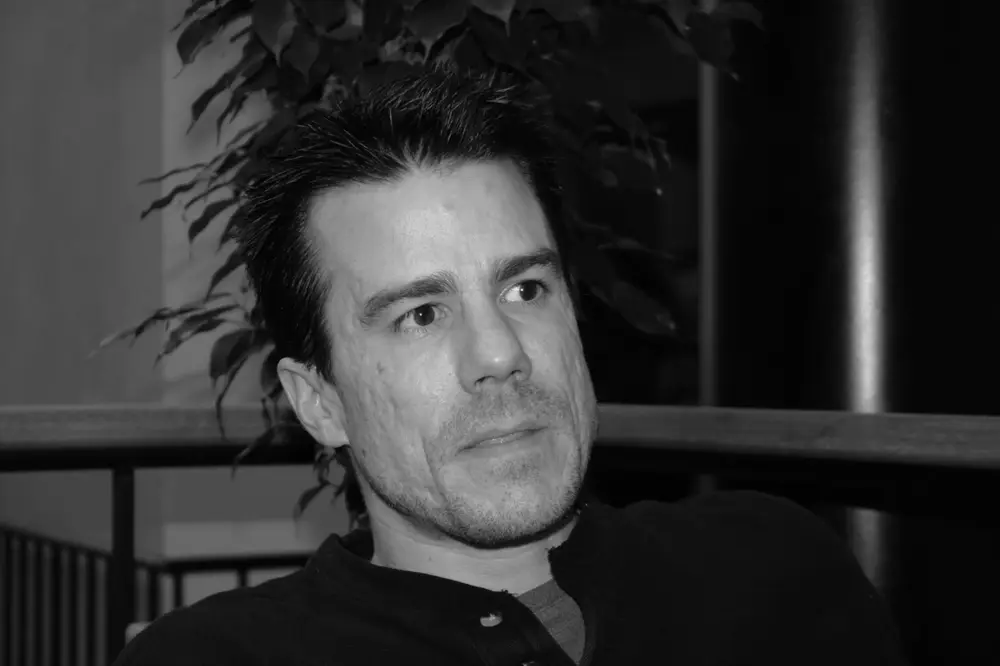
It all began on August 16, 1993. A young student named Ian Murdock posted a message in the comp.os.linux.development newsgroup to announce a brand-new Linux distribution. The name, Debian, blended his own first name with that of his then-girlfriend, Deborah Lynn: De-bian.
Murdock wrote down his vision in the famous Debian Manifesto. There he argued that the distribution should be built “openly, in the spirit of Linux and GNU”, carefully and conscientiously by a community rather than a single person or company. The idea sounded radical at the time, and it made Debian a pioneer of collaborative development.
The beta versions and the FSF’s support
The first internal release, 0.01, appeared on September 15, 1993. The first public betas, 0.90 and 0.91, arrived in January 1994, and here is an oddity: their mailing lists were hosted by Pixar. Version 0.91 shipped a very primitive packaging system that let users handle packages but managed no dependencies, nor anything close to it.
Between November 1994 and November 1995, Richard Stallman’s Free Software Foundation sponsored the project, partly because the FSF itself wanted experience packaging a complete GNU system. In March 1995, Murdock stepped down as leader to focus on his studies and family.
1996: “Buzz” arrives, and the Toy Story names
On June 17, 1996, Debian 1.1 “Buzz” was released, the first version with a codename and a mere 474 packages. So where did “Buzz” come from? By then Bruce Perens had taken over leadership of the project, and as it happened he worked at Pixar, the studio that had just released Toy Story. From that point on, every Debian release has carried the name of a character from the saga: Buzz Lightyear, Rex, Bo Peep, and more.
Others followed in quick succession:
- 1.2 “Rex” (December 12, 1996): 848 packages and 120 developers.
- 1.3 “Bo” (June 5, 1997): 974 packages and 200 developers.
- 2.0 “Hamm” (July 24, 1998): the big jump to the glibc C library.
dpkg and apt: the real revolution
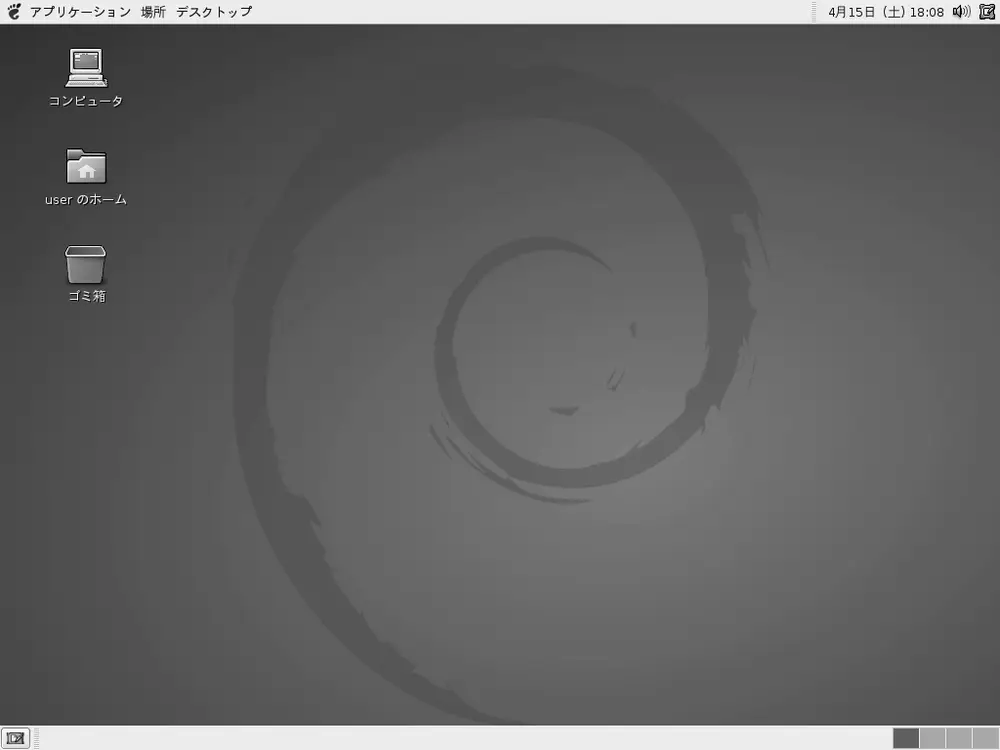
If Debian stood out against rivals like Slackware and, later, against its own derived distributions, it came down to package management. The dpkg tool, written largely by Ian Jackson (project leader from 1998), became the heart of the system and let users install, remove, and manage .deb packages in an orderly way.
The decisive leap came on March 9, 1999, with Debian 2.1 “Slink”, which introduced APT (Advanced Package Tool). APT cleared up the dependency and software-download mess in one go, and it left a model so influential that much of the free-software world ended up copying it. Anyone typing apt install today is using the direct legacy of that era.
The legacy of early Debian
Those first releases defined a DNA that still endures. The Debian Social Contract and the Debian Free Software Guidelines (DFSG), drafted in the Perens era, pinned down what “free software” really means within a distribution. From that trunk would later grow huge projects like Ubuntu, which took Debian as its base, along with a whole universe of derivatives.
Against commercial systems like Windows or Apple’s macOS, Debian showed that a group of volunteers coordinated over the internet could build a complete, solid, and free operating system. More than thirty years on, it is still the “universal operating system”.