For years, “gaming on Linux” sounded like a contradiction. Anyone who wanted the big releases knew they’d end up booting into Windows sooner or later. That’s no longer true. You can build a Linux-only machine today and play thousands of titles, plenty of them designed for Windows in the first place. Getting here took a while, with pioneering projects, a fair share of frustration and, in the end, one move that changed everything.
The pioneers: Loki Software
The first company to bet seriously on Linux gaming was Loki Software, founded in November 1998 by Scott Draeker. The business model was simple: port commercial Windows games to Linux. Its first release was Civilization: Call to Power, which reached stores in May 1999.
In its short life, Loki ported more than a dozen memorable titles, among them Quake III Arena, Tribes 2, Heroes of Might and Magic III, Railroad Tycoon II and Sid Meier’s Alpha Centauri. The company went bankrupt in 2001 and shut down in early 2002, but its technical legacy was huge. It pushed forward open-source projects like Simple DirectMedia Layer (SDL) and the OpenAL audio library, both still cornerstones of game development on Linux today. Loki proved the platform was viable, even if the business hadn’t turned a profit yet.
Steam arrives on Linux
The next big jump took more than a decade. After a closed beta in November 2012, Valve officially launched the Steam client for Linux on 15 February 2013. For the first time, the world’s largest game store had a native client on the penguin’s operating system.
The native catalogue was still thin, but the message left no room for doubt: one of the most influential companies in the industry was taking Linux seriously. Distributions like Ubuntu and, later, Pop!_OS — built from the ground up with gaming and creators in mind — became the usual entry points for newcomers who wanted to make the jump without fuss.
Proton: the missing piece
The real turning point came on 21 August 2018, when Valve unveiled Proton, integrated into Steam under the name Steam Play. Proton is a compatibility tool based on a patched version of Wine, developed together with CodeWeavers, that adds translation layers such as DXVK (Direct3D 9, 10 and 11 to Vulkan) and, later, VKD3D-Proton for Direct3D 12.
So what does that mean day to day? A game built for Windows runs on Linux without the user having to touch a thing. At launch, Valve certified an initial list of 27 titles that behaved exactly like their Windows counterparts. That number has kept climbing ever since, and now covers thousands of games.
The Steam Deck takes it mainstream
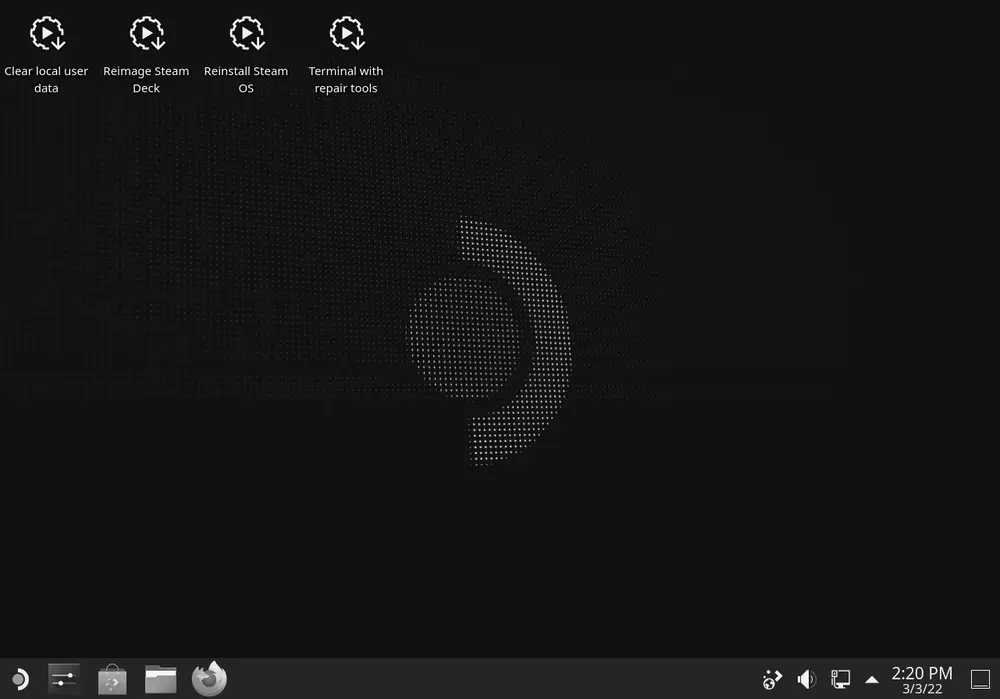
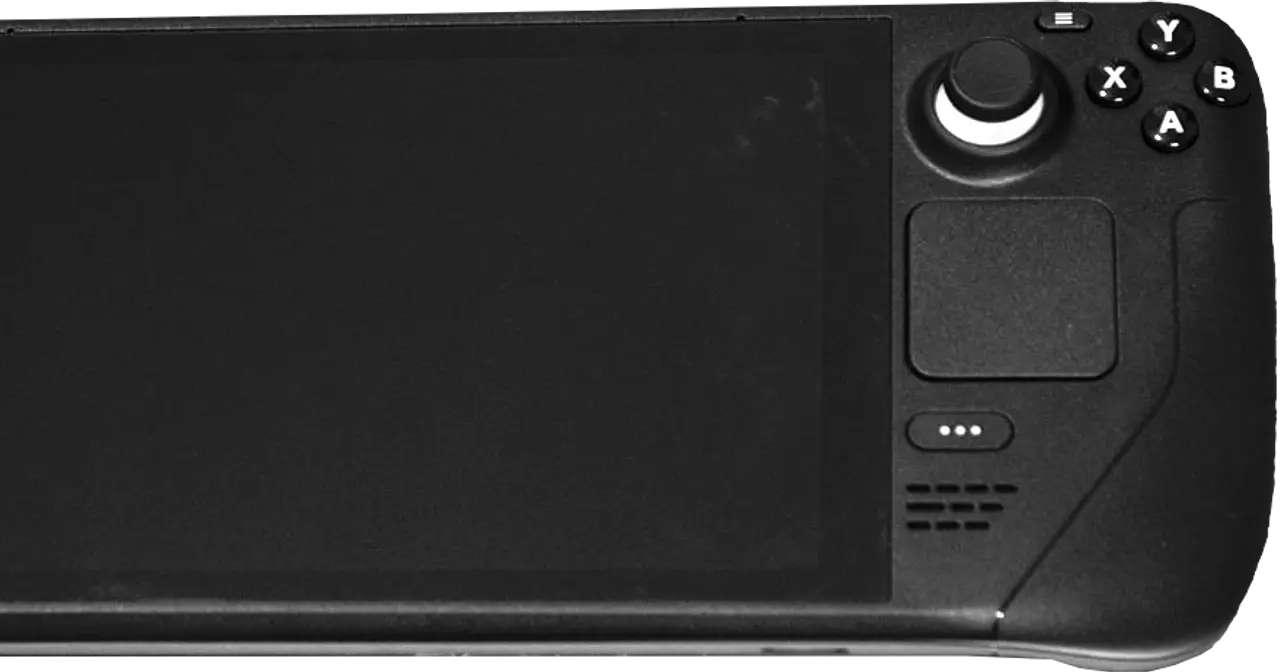
If Proton was the technology, the Steam Deck was the product that put it into the hands of millions. Released on 25 February 2022, Valve’s handheld console runs SteamOS 3.0, built on Arch Linux with a rolling-release model and the KDE Plasma desktop for its desktop mode.
The point is that, for the average player, what sits underneath doesn’t matter: you turn the console on and you play. But underneath is pure Linux, and that has pushed studios to test and certify their games on the platform. The “Deck Verified” programme nudged developers worldwide to guarantee compatibility. SteamOS, which you can explore as a system profile, proved that a well-packaged Linux can stand up to any traditional console.
Where does Linux gaming stand today?
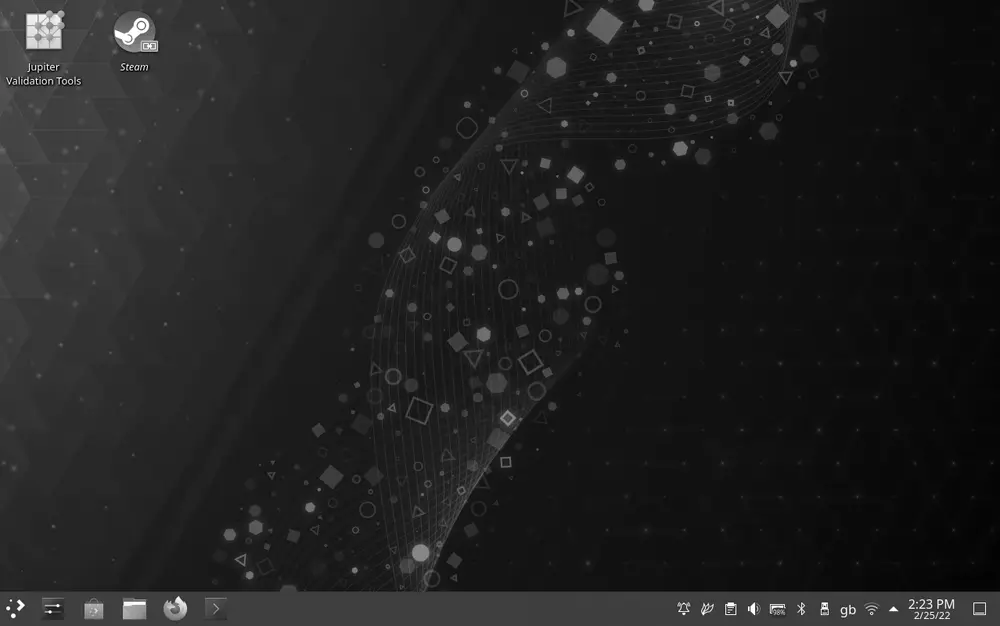
This is the best moment Linux gaming has ever had. With Proton 10, released in 2025, much of the single-player catalogue runs natively or close to it, often without any patching from the studio. Tools like ProtonDB gather community feedback so you know in advance how each game performs.
The biggest wall still standing is kernel-level anti-cheat. Systems such as Easy Anti-Cheat or BattlEye can switch on Proton support, but some competitive multiplayer games — especially high-budget live-service titles — keep blocking Linux because their developers decide to. That’s a policy call, not a technical limit.
You don’t need special hardware to get started. Distributions like Ubuntu, Fedora, Pop!_OS and Manjaro ship drivers and Steam ready in a few clicks. If you’re coming from Windows and want a smooth transition, Linux Mint is a very comfortable choice. And if you want the Deck experience on your own PC, you can always look toward Arch and SteamOS.
Conclusion
From Loki’s handcrafted ports to the ease of switching on a Steam Deck, Linux gaming has come a very long way. What once demanded patience and real technical know-how now boils down, for the most part, to installing Steam and hitting “Play”. Linux is no longer the ugly duckling of gaming: it’s a first-class platform, and every sign points to it gaining even more ground.