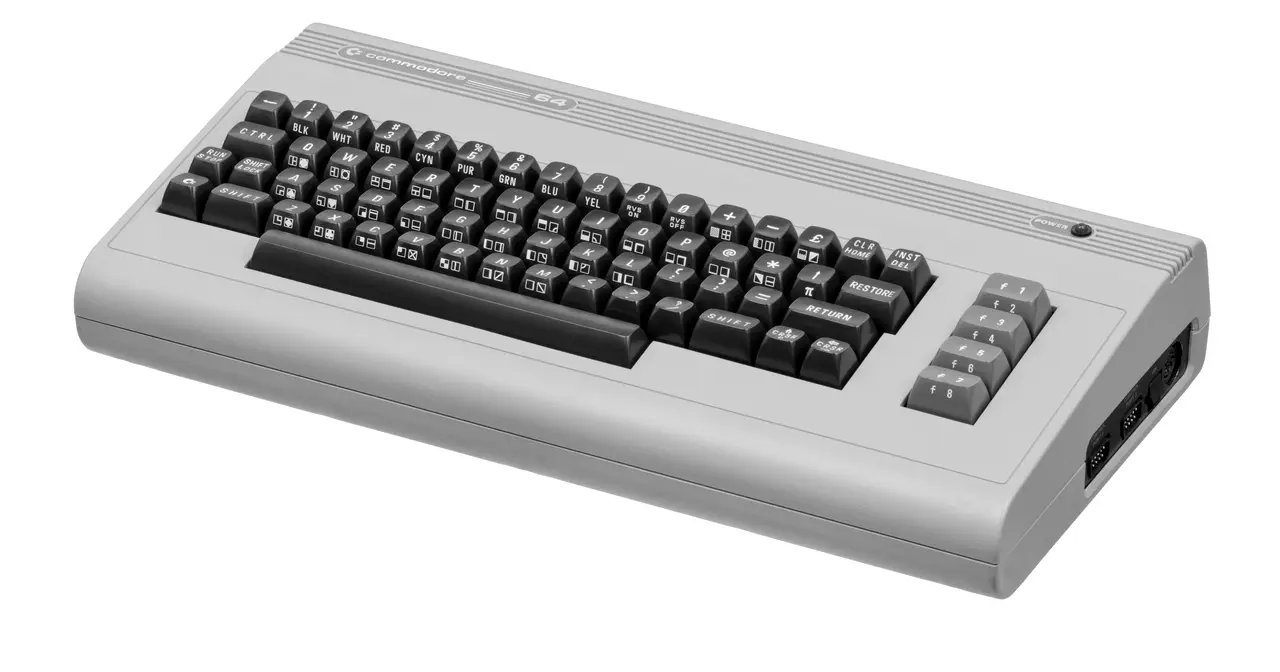
Few machines shaped home computing as deeply as the Commodore 64. Launched in 1982, it became the best-selling 8-bit computer in history, and much of its magic lived in two programs etched into silicon: a BASIC interpreter and a minimal operating system called the KERNAL. Let’s walk through its history, its versions and the curiosities that surround it.
Origins: Commodore and Jack Tramiel’s vision
The C64 was born inside Commodore International, the company run by Jack Tramiel, a Polish-born Holocaust survivor who coined the famous motto: “computers for the masses, not the classes.” That drive to build powerful yet cheap machines defined Commodore, which also owned its own chip foundry, MOS Technology. That vertical integration gave it an enormous cost advantage over rivals.
The computer was unveiled in January 1982 and went on sale that same year for $595. Tramiel then launched an aggressive price war, especially against Texas Instruments, that pushed the C64 down to around $300 by 1983 and sent sales to unprecedented heights.
Legendary hardware: 6510, VIC-II and SID
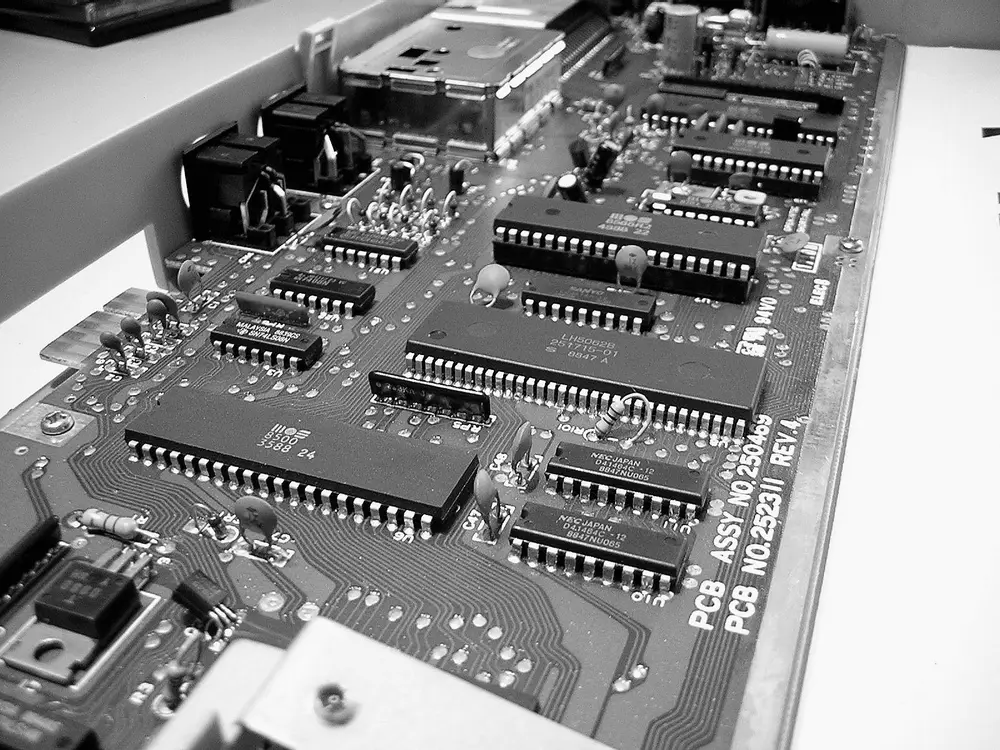
At the heart of the C64 sat the MOS 6510 microprocessor, a variant of the famous 6502 with a built-in input/output port. Yet what truly set the machine apart were its two custom chips. The VIC-II produced graphics with sprites and colors that were remarkably advanced for the time, while the SID (Sound Interface Device) was essentially a music synthesizer on a single chip, far ahead of competing sound generators.
That blend of graphics and sound made the C64 an unbeatable gaming platform and the cradle of the demoscene, the programmer subculture that still squeezes the hardware today to create jaw-dropping audiovisual effects.
The KERNAL: an operating system in 8 KB
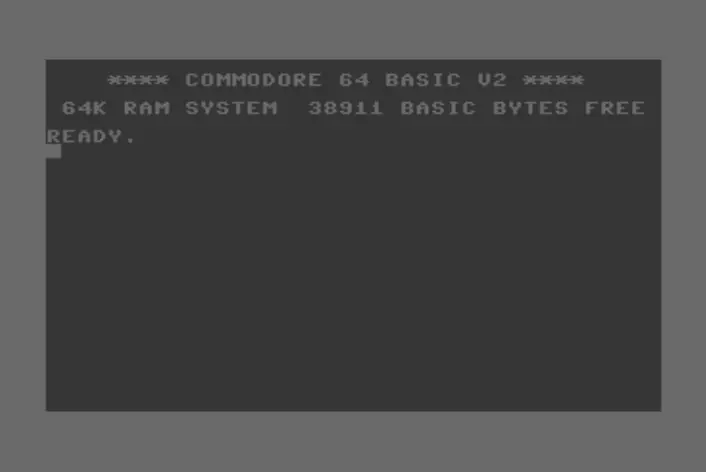
The KERNAL is the C64’s operating system: a set of routines burned into an 8 KB ROM that handle the keyboard, screen, tape, disk and serial ports. The clever part is that these routines are called through a jump table placed at the very end of the address space. That table stayed almost identical across Commodore’s entire 8-bit family, guaranteeing compatibility between machines such as the PET, the VIC-20 and the C64 itself.
Alongside the KERNAL lived Commodore BASIC 2.0, the language the machine booted into the moment you switched it on. It was the same BASIC as the VIC-20: functional but limited, with no direct commands for graphics or sound, which forced users to poke values straight into memory.
The ROM revisions
The C64 KERNAL went through three main revisions, almost always to fix bugs. The first (901227-01) appeared only on early North American boards and could not even detect whether the video chip was PAL or NTSC. The second (901227-02) shipped in most units built from late 1982 through 1985. The third (901227-03) was the definitive one, the most widespread, and the version found in the C64C and related models until production ended.
The curious case of its misspelled name
One of the most famous anecdotes is that “KERNAL” is misspelled. The correct word would be kernel, and that is how it was used internally at Commodore since the PET days. But around 1980, engineer Robert Russell mistakenly wrote “kernal” in his notebooks. When technical writers Neil Harris and Andy Finkel used those notes as the basis for the VIC-20 programmer’s manual, the typo slipped into the official documentation and was cemented forever in later machines like the C64 and the C128.
A legacy that never fades
The C64’s numbers are staggering: credible estimates put sales at around 12.5 million units, though Commodore once claimed 17 million, and it holds the Guinness record as the best-selling desktop computer of all time. At its peak, 400,000 units rolled off the line every month for years, and roughly 10,000 commercial software titles were published.
Its influence echoes in the computing that followed. The portability ideas tested by the SX-64—considered the first full-color portable computer—foreshadowed paths later traveled by systems like macOS and the modern Unix world with FreeBSD and the Linux kernel. The open, home-hardware philosophy also resonates in contemporary projects such as Haiku, an heir to the spirit of those years. And for anyone wanting to relive that BASIC, today’s distributions like Debian and Ubuntu ship emulators that faithfully recreate the machine and its KERNAL.
More than forty years on, the Commodore 64 lives on in emulators, in the demoscene and in the hearts of an entire generation that learned to program by typing POKE on a blue screen.