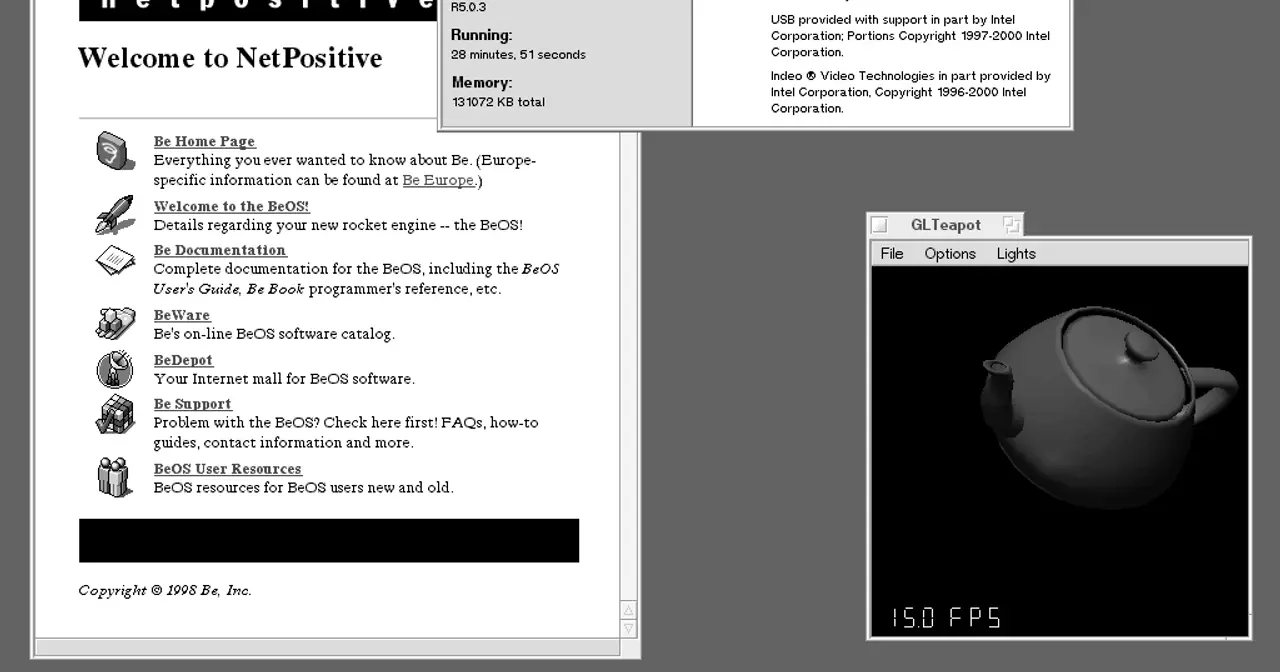
Few operating systems stir up as much nostalgia among enthusiasts as BeOS. Fast, elegant and built from the ground up for digital video and audio, it was one of the great technological promises of the 1990s. It nearly became the foundation of the modern Mac and, although the company that created it vanished, its spirit lives on through a community project that rebuilds it piece by piece.
The origins: Be Inc. and an Apple veteran
The story of BeOS begins in 1990, when Jean-Louis Gassée, a former Apple executive, founded Be Inc. in Menlo Park, California. The idea was radical for its time: to build a “media OS”, an operating system designed from scratch for the wave of digital media on the horizon and capable of harnessing several processors at once.
Rather than starting from an existing Unix kernel, Be developed everything from zero. Its proprietary kernel featured symmetric multiprocessing, preemptive multitasking and, above all, pervasive multithreading: every part of the system was designed to run in parallel. That uncommon design choice, rare even today, is what gave BeOS its famously fluid feel.
The BeBox and the early days
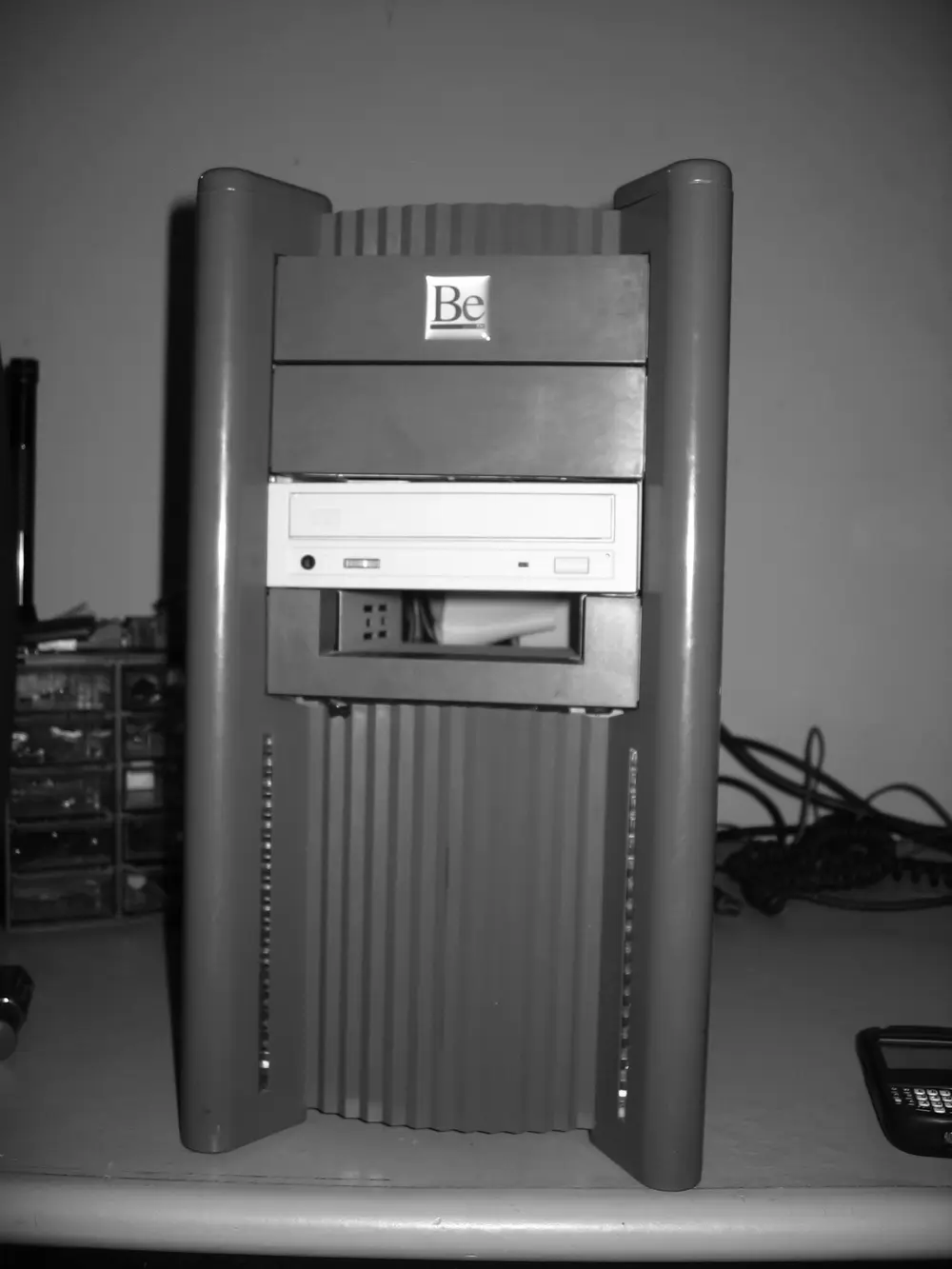
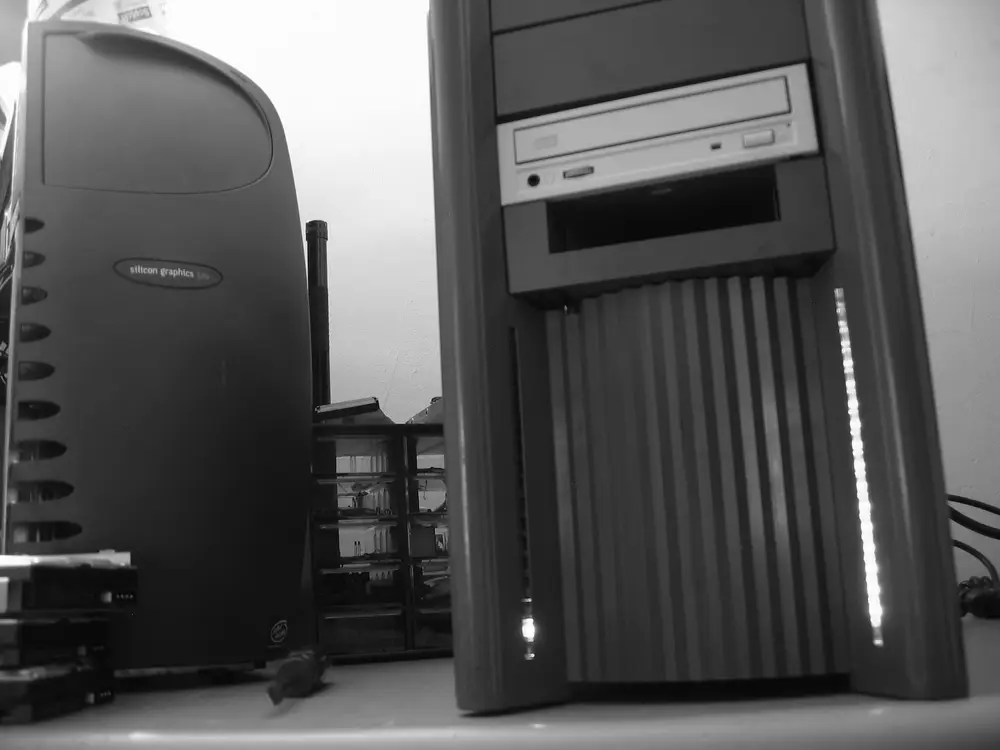
The first hardware was born alongside the system. In October 1995, Be launched the BeBox, a computer based on PowerPC processors with an unforgettable feature: two strips of LED lights on the front panel that showed the activity of each CPU. It also included the famous GeekPort, a 37-pin connector meant for hardware experimentation.
The first version of BeOS shipped with that BeBox to a limited group of developers. Even then it stood out for handling analog and digital audio, MIDI streams, multiple simultaneous video sources and 3D computation without breaking a sweat.
The opportunity lost with Apple
The most remembered moment in its history came in 1996. Apple was going through a deep crisis and urgently needed a modern operating system to replace its ageing classic Mac OS. CEO Gil Amelio opened negotiations to buy Be Inc.
The talks collapsed over money: Gassée wanted around $300 million and Apple would not go above $125 million. The board ultimately chose the alternative, Steve Jobs’s NeXT, acquired for roughly $429 million. That purchase brought Jobs back to Apple and laid the groundwork for macOS. NeXTSTEP, the system from NeXT, became the foundation of what millions of Macs run today. BeOS, by contrast, was left out in the cold.
Key versions
After the Apple deal fell through, Be turned to the general public. In 1997 it released the Preview Release (PR1), the first version available to anyone. It was followed by Release 3 (R3) in March 1998, historically important because it was the first ported to the Intel x86 platform alongside PowerPC, and the first sold commercially.
The cycle closed in 2000 with BeOS R5, the final official release. It was split into a paid Pro Edition and a free Personal Edition, distributed online and on CD-ROM, which let many people try the system at no cost. R5 would be the company’s swan song.
Technical curiosities
BeOS hid real engineering gems. Its file system, the BFS (Be File System), was 64-bit, with journaling to protect data and support for files up to one terabyte each, a staggering figure for the era. Most striking of all, it featured indexed attributes that behaved almost like a database: you could run search-style queries over your files with no external tools.
Although it was not internally derived from Unix, it offered partial POSIX compatibility and a command line through Bash, easing the transition for anyone coming from the Unix or Linux world.
The end… and the rebirth
In 2001, financially suffocated, Be Inc. sold off its assets. The copyrights to BeOS ended up in the hands of Palm Inc. for around $11 million, and the company disappeared.
But the community refused to give up. That same year OpenBeOS was born, an effort to reimplement BeOS from scratch as open source. That project evolved into Haiku, a free operating system that keeps compatibility with BeOS R5 and is still being developed today, keeping alive the dream of a fast, lightweight and multimedia-focused system. BeOS never triumphed commercially, but its legacy still inspires those who believe an operating system can be, above all, a joy to use.