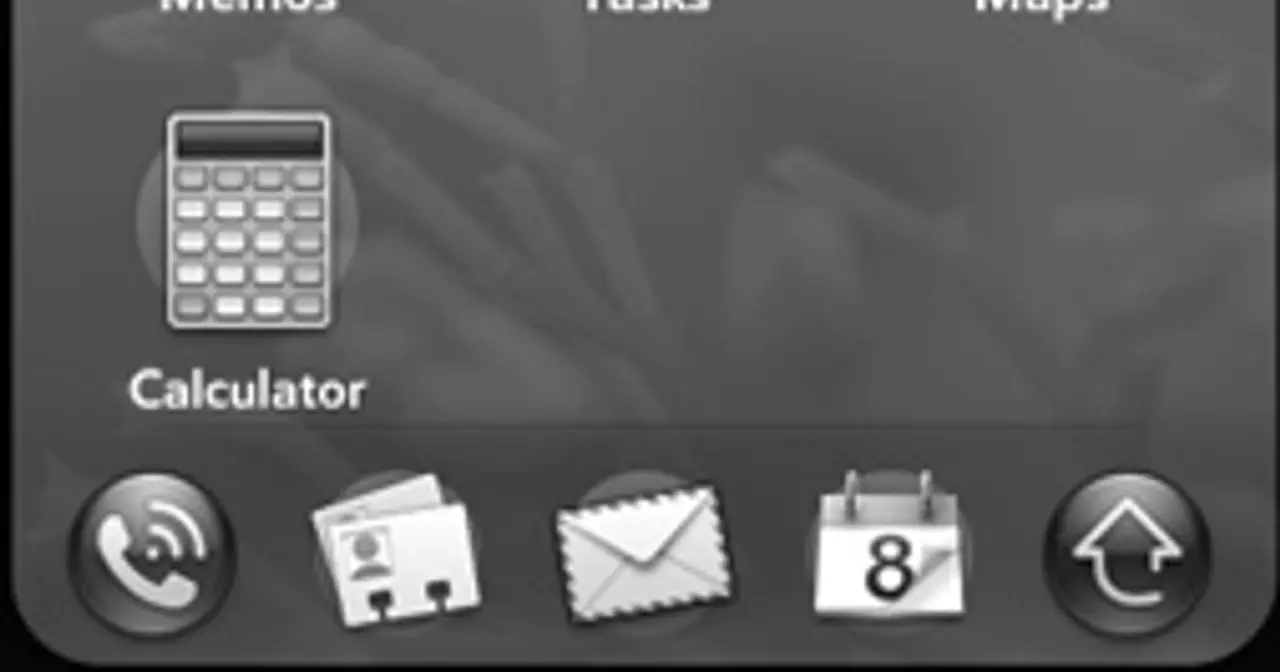
Few operating systems earned so much praise from critics while taking such a beating in the market as webOS. It was born inside a Palm that was barely hanging on, and it brought interface ideas so good that we still see them in the phones we carry around more than a decade later. This is the story of software that lost the commercial battle and still earned a place of honor in the memory of everyone who used it.
Palm’s last cartridge
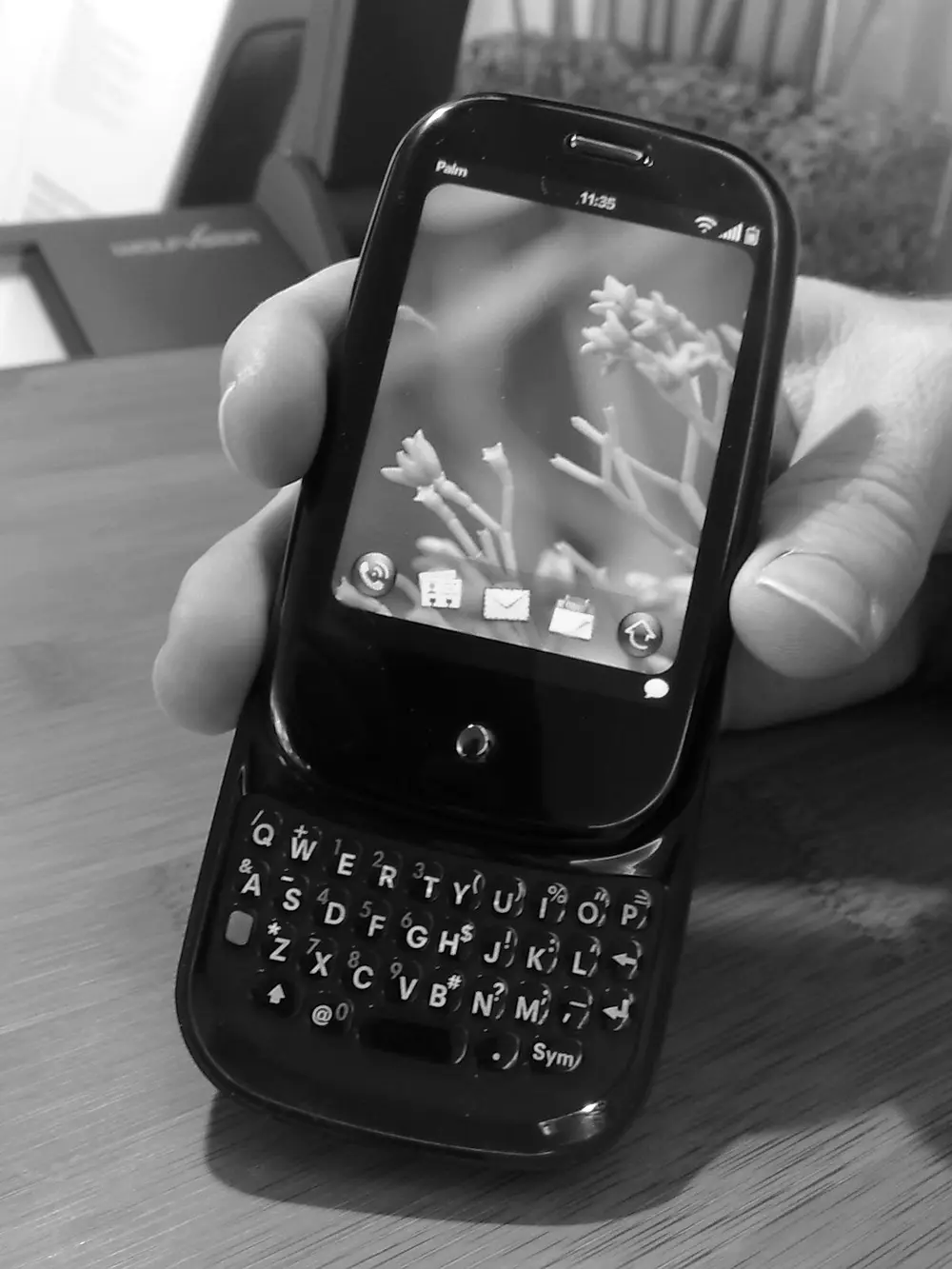
By the late 2000s Palm was a shadow of its former self. Its veteran Palm OS had fallen hopelessly behind Apple’s iPhone and an Android that was just taking off. The company needed something radically new, and it showed it off at CES in January 2009: Palm webOS.
The name was no accident. webOS ran on a Linux kernel (a patched 2.6.24 kernel in its early releases, to be precise), but its application layer leaned on plain old web technologies like HTML, CSS and JavaScript. The point was that any web developer could build apps without picking up a proprietary language. The first device to carry it was the Palm Pre, which Sprint shipped in June 2009 with just 18 apps available.
The “cards”: multitasking made intuitive
The undisputed star of webOS was its cards. Every open application showed up as a card you could swipe sideways to switch tasks, or flick upward to close. This was real multitasking, fluid and easy to grasp at a glance, back when the iPhone still suspended the previous app the moment you opened another.
That gesture-based system worked so well that you can spot its echoes today in the app switchers of iOS and Android. webOS showed that multitasking didn’t have to be a technical menu. It could be a deck of cards you flick with your finger.
Synergy: all your data in one place
The other gem was Synergy, an engine that pulled together information from several sources on its own. Your contacts from Google, Facebook and Exchange blended into a single address book, calendars combined, and conversations from different messaging services showed up unified. In 2009 this felt close to magic, and it anticipated the connected-accounts idea we now take for granted.
Key versions
The version history was short but intense. webOS 1.0 laid the groundwork with cards and Synergy. webOS 2.0, in 2010, sharpened multitasking with stacks: piles of related cards grouped together to keep the deck tidy. With HP on board, webOS 3.0 debuted in July 2011 on the HP TouchPad tablet, fitting the interface to bigger screens.
From Palm to HP, and the TouchPad disaster
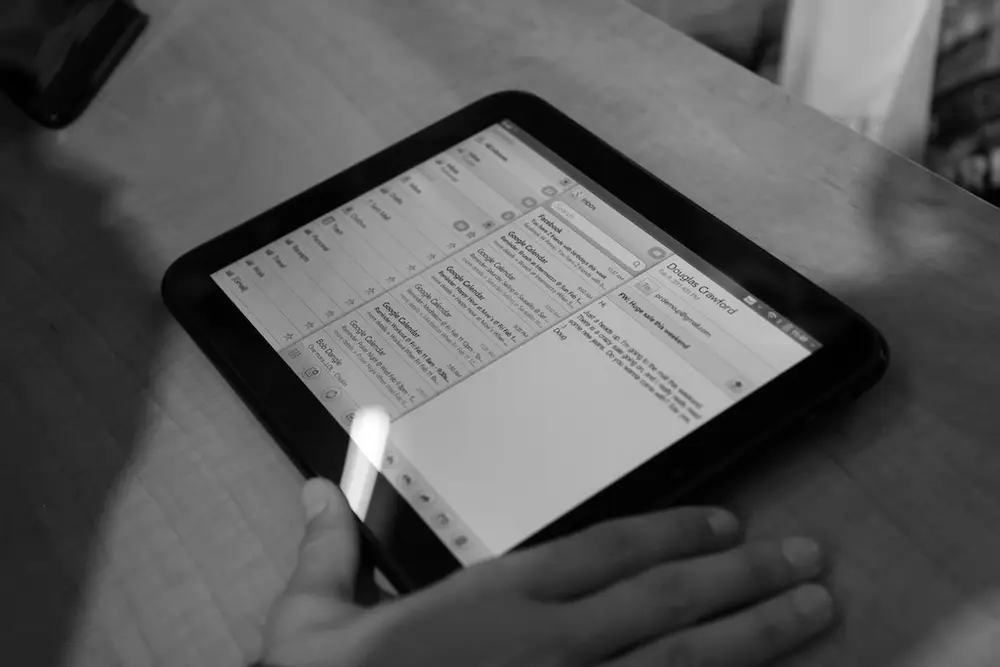
In April 2010 HP bought Palm for roughly $1.2 billion, pointing to webOS as the main reason behind the deal. Expectations were enormous: HP talked about bringing webOS to laptops, printers and every kind of device.
What followed was brutal. The HP TouchPad launched in July 2011 and, barely seven weeks later, HP announced it was walking away from the webOS device business. The tablets were liquidated at $99 and sold out within hours, in one of the industry’s most remembered paradoxes: people only wanted the hardware once it was practically a giveaway. HP later released the code as Open webOS and, in 2014, sold the patents to Qualcomm.
A rebirth in your living room
The story could have ended there, but it had a third act nobody saw coming. In February 2013 HP sold webOS to LG Electronics for use on its smart TVs, replacing LG’s NetCast platform. Against all odds, it turned into a resounding success: today webOS is one of the most widespread smart TV systems in the world, and LG has carried it into refrigerators, projectors and other appliances too. Software meant to fit in a pocket phone ended up ruling the living-room screen.
A legacy still alive
webOS belongs to that family of brilliant systems the market turned its back on, alongside classics like BeOS and its heir Haiku, NeXTSTEP and AmigaOS. Like them, it proved that a clever interface doesn’t guarantee commercial success. Its Linux foundation ties it to the whole Linux kernel world, and its web-app philosophy got ahead of trends we would see years later. webOS lost the smartphone war, but it won the battle of good ideas.