
Few operating systems capture the end of the 1990s quite like Windows 98. It was the family computer dialing into the internet for the first time over a 56k modem, the Start menu we all learned by heart, and that unmistakable startup sound. Released by Microsoft at the height of the consumer web boom, it shaped an entire generation of users. Let’s revisit its history, its key versions and a few curiosities you may not know.
The Origins: From “Memphis” to the World’s Desktop
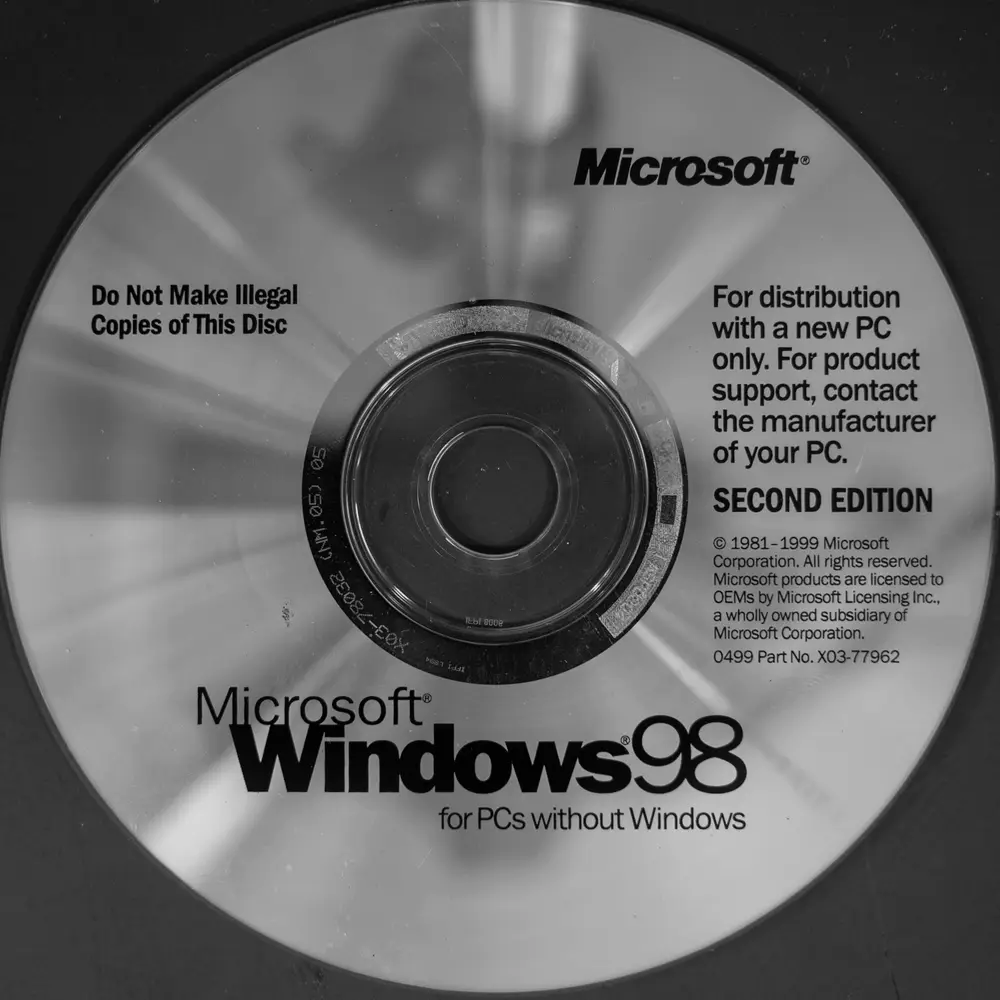
Windows 98 was born under the codename Memphis, with its first test build appearing in January 1997. It was the natural successor to Windows 95, the system that three years earlier had revolutionized personal computing with its Start menu and taskbar.
Microsoft released Windows 98 to manufacturing on May 15, 1998, and made it generally available on June 25, 1998. It belonged to the Windows 9x family, still built on the foundations of MS-DOS: beneath the graphical interface, a version of DOS (7.1) was still running. This hybrid architecture, inherited from its predecessors, coexisted with the NT-based business line that would eventually evolve into modern Windows.
The Internet Takes Center Stage
If one thing defined Windows 98, it was its bold bet on the internet. The system deeply integrated Internet Explorer 4.0, to the point of merging the browser with the desktop itself through Active Desktop, which let you display live web content directly on your wallpaper.
That integration was not accidental. The tight coupling of browser and operating system sat at the heart of the famous antitrust trial against Microsoft in the United States, which accused the company of leveraging its desktop dominance to push out rival browsers like Netscape. It became one of the most talked-about legal battles in software history.
Technical Innovations That Defined an Era
Beyond the internet, Windows 98 brought significant technical improvements for its time:
- Robust USB support: while some OEM editions of Windows 95 already included it, USB only became practical for the general public with Windows 98, with support for hubs, scanners and imaging devices.
- FAT32 file system: it made far better use of hard-disk space and lifted the partition-size limitations of FAT16.
- ACPI 1.0: it introduced more advanced Standby and Hibernate power-management modes.
- Multi-monitor support: up to nine displays could be connected at once.
- Windows Driver Model (WDM): a unified driver model aiming for compatibility across the different Windows lines.
Windows 98 Second Edition: The Definitive Release
On June 10, 1999, Microsoft launched Windows 98 Second Edition (SE), regarded by many users as the most stable and polished version of the system. It was no minor patch: it added numerous bug fixes, improved USB and modem support, and replaced Internet Explorer 4.0 with Internet Explorer 5.0.
The star feature of this edition was Internet Connection Sharing (ICS), which let a single internet connection be shared across several computers on a home network. At a time when having internet at home was a luxury, being able to split that connection between the living-room PC and the home office felt revolutionary. The SE also bundled DirectX 6.1, a blessing for gamers of the era.
Curiosities: The Most Famous Blue Screen in History
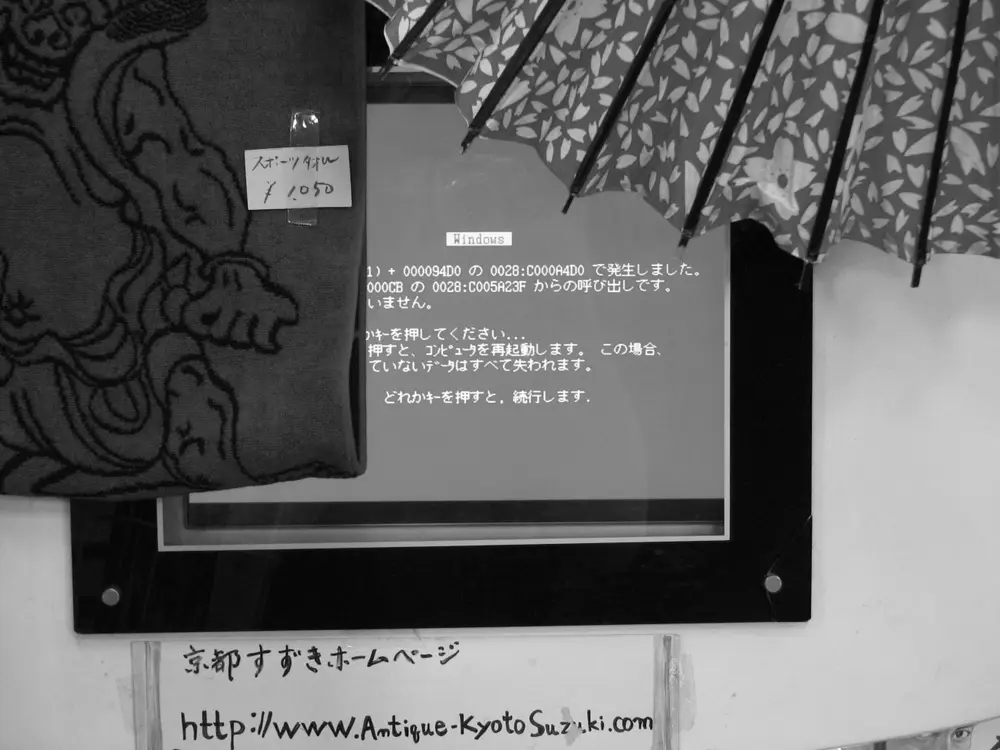
The most remembered anecdote about Windows 98 happened during its launch. In a live demonstration at COMDEX in 1998, while showing off the new hot-plugging capabilities, an assistant connected a USB scanner and the system responded with a Blue Screen of Death in front of the entire audience, with Bill Gates standing on stage. His reaction, joking that it was “why we’re not shipping Windows 98 yet,” became one of the most discussed moments in computing history.
Another curiosity: the “Memphis” codename remains a common nod among retrocomputing enthusiasts, a community that keeps systems like ReactOS alive, a free project aiming to recreate compatibility with applications from the Windows 9x/NT era.
The Legacy of an Irreplaceable System
Mainstream support for Windows 98 ended on June 30, 2002, with extended support running until July 11, 2006, a remarkable lifespan for a system of that generation. Its direct successor was Windows Me in 2000, which never earned the same reputation.
Today, alongside alternatives such as Linux or macOS, Windows 98 lives on only in virtual machines and in collective memory. Yet few systems so perfectly capture the moment the computer stopped being an isolated machine and became a window to the world.