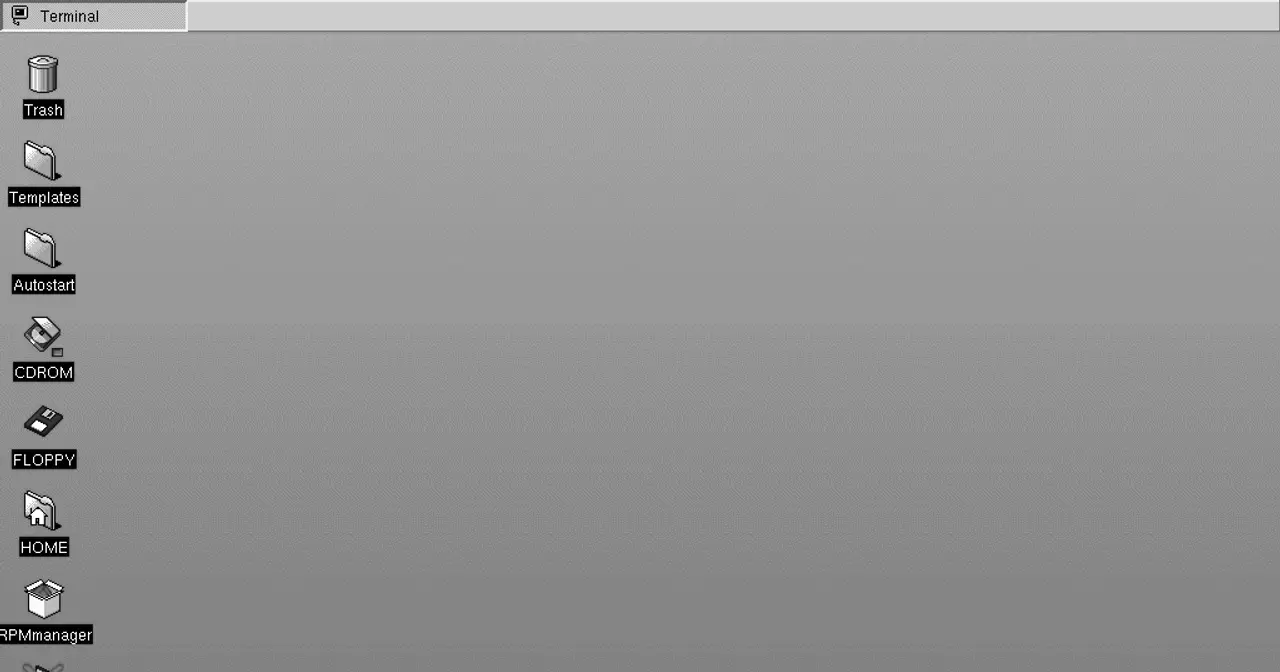
In the late 1990s, installing Linux was practically a rite of passage, something for people who weren’t scared of hand-editing configuration files. Into that world stepped Caldera OpenLinux, a commercial distribution that bet on something radical for its time: making Linux easy. The irony is that the Caldera name didn’t end up tied to convenience. It ended up tied to one of the most notorious lawsuits in the history of free software.
Origins: Ex-Novell Staff and Canopy’s Money
Caldera, Inc. was founded in October 1994 and formally incorporated on 25 January 1995. Behind it were Bryan Wayne Sparks, Ransom H. Love and other former employees of Novell, the networking company that had dominated the server market in the 1980s. The start-up money came from the Canopy Group, the investment vehicle of Ray Noorda, Novell’s former chairman, focused on Utah-based startups.
The plan was to build a Linux-based networking software company. Its first product, Caldera Network Desktop, was based on Red Hat Commercial Linux and stopped selling in March 1997. Caldera soon launched its own distribution family: OpenLinux.
OpenLinux: Linux With Desktop Ambitions
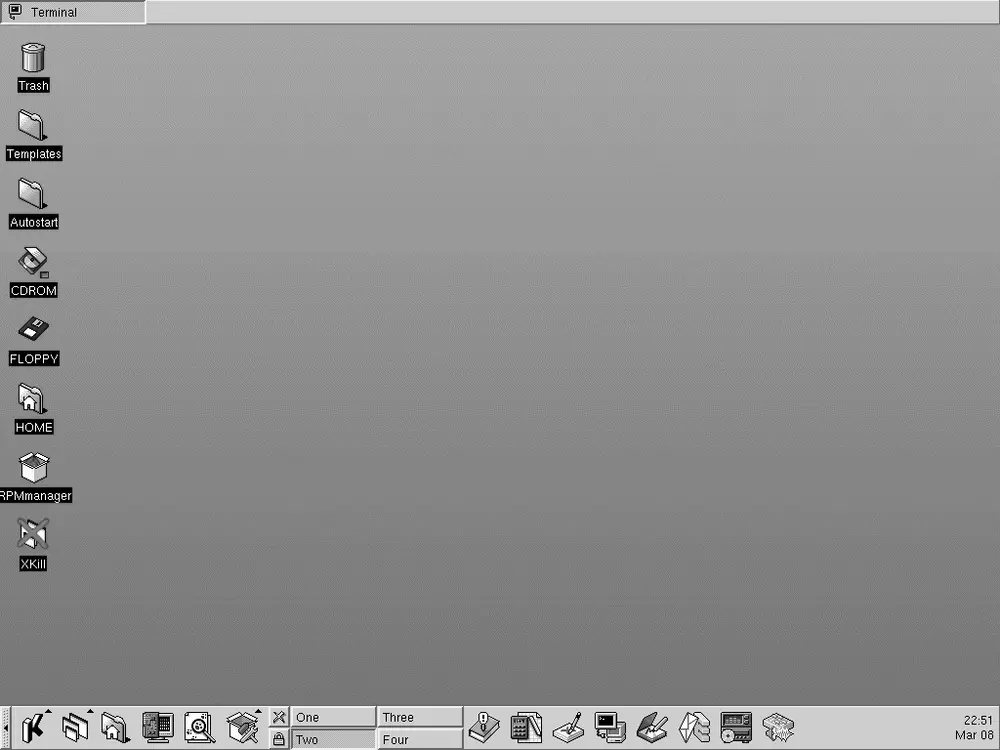
Caldera OpenLinux first appeared in 1997 (the Lite, Base and Standard 1.0 editions, running Linux kernel 2.0.25) and lasted until 2002. Where many distributions of the era hedged, this one leaned hard into the KDE desktop and shipped components such as Qt and Wine. At its peak it was one of the four major commercial distributions, alongside Red Hat (whose enterprise heir is RHEL), Turbolinux and SuSE.
What really set it apart, though, was the install process. In late 1998, the Caldera Deutschland development center created Lizard (Linux Wizard), the first fully graphical Linux installer. OpenLinux 2.2, released on 19 April 1999 with kernel 2.2.5, brought it to a wide audience. Lizard could even be launched from a Microsoft Windows partition, it detected hardware automatically, and it walked users through the process step by step.
The Tetris Curiosity
Here is the detail veterans remember best: while OpenLinux copied files to disk, the installer’s “Entertainment” screen offered a game of Tetris to pass the time. It was a statement of intent. Installing Linux no longer had to be a technical ordeal. It could be, quite literally, a game. Small touches like that pointed the way later popularized by distributions such as Ubuntu.
Key Versions and a Habit of Collecting Systems
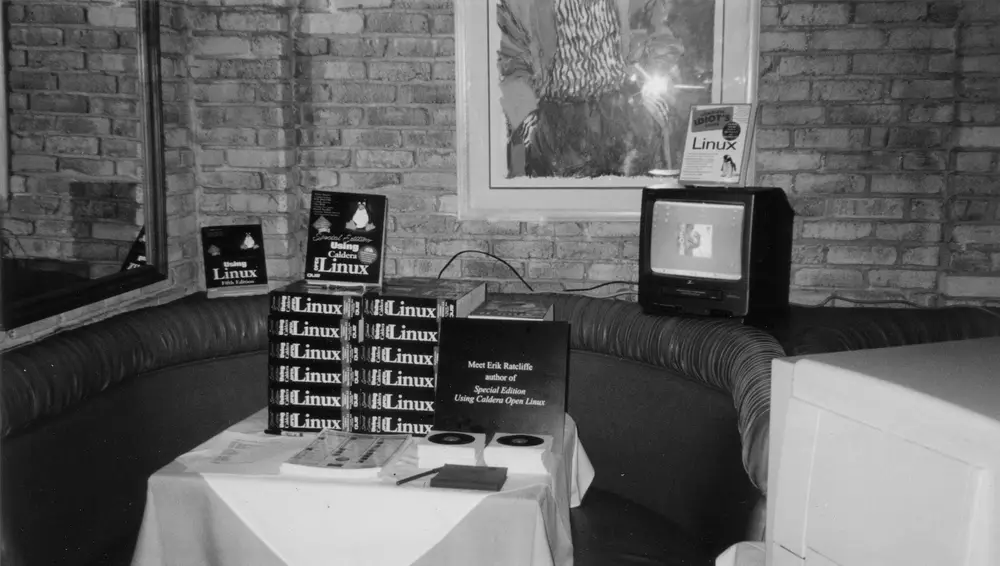
After 2.2 came OpenLinux 2.3 (September 1999, kernel 2.2.10), also marketed as eDesktop and eServer, followed by the eDesktop 2.4 line. Caldera didn’t stop at Linux. In July 1996 it had bought the DR-DOS product line from Novell, making it the owner of DR-DOS, the classic rival to MS-DOS. Caldera bundled DR-DOS with OpenLinux and even waged a famous antitrust suit against Microsoft over the maneuvers that had crippled that DOS.
In 1998, Caldera, Inc. spun off Caldera Systems to handle OpenLinux. Then, in 2001, it took the step that would change its fate: it acquired the server and services division of the Santa Cruz Operation, inheriting the Unix business and the SCO name itself. The company became Caldera International.
The Turn Into SCO Group and the Start of the Lawsuits
In June 2002, Ransom Love stepped down and Darl McBride came in as CEO. On 26 August 2002, Caldera announced it would rebrand as The SCO Group, reviving the name tied to Unix. It was the calm before the storm.
On 6 March 2003, SCO Group sued IBM for one billion dollars, claiming IBM had poured SCO’s Unix intellectual property into the Linux codebase. The figure later ballooned to five billion. The free software community reacted with outrage, and the claims were widely seen as baseless and even dishonest. Microsoft, meanwhile, paid six million dollars in May 2003 for a license to “Unix and Unix-related patents,” despite SCO owning no such patents.
An Ending by Exhaustion
The case dragged on for years. In 2010, a jury ruled unanimously that Novell, not SCO, owned the Unix and UnixWare copyrights. SCO slid into bankruptcy. On 1 March 2016, the lawsuit against IBM was dismissed with prejudice, and in 2021 it was finally settled: IBM paid 14.25 million dollars to the bankruptcy trustee representing what was left of SCO.
So a distribution born to make Linux approachable ended up lending its name to the entity that tried to stop it in court. Caldera’s real legacy lives on every time a graphical installer politely asks where we would like to put our operating system.