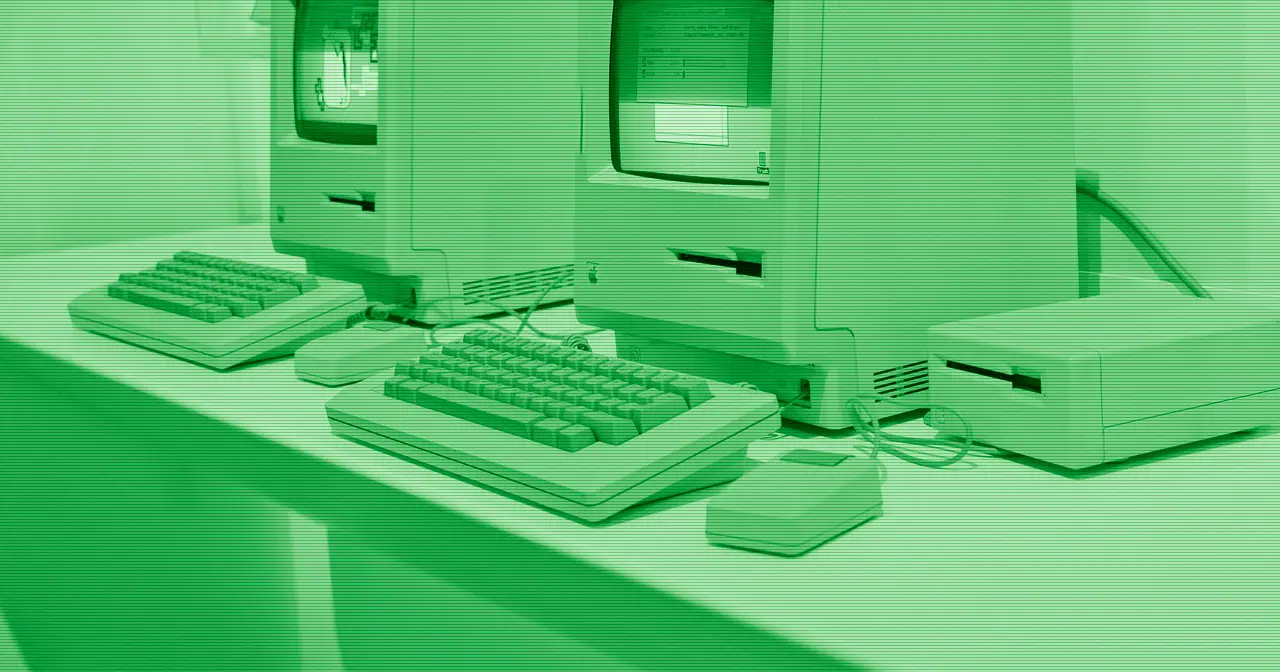
Plenty of people assume macOS was born the moment Apple bolted a shiny apple onto a pretty desktop. The truth is far more interesting, and its roots go straight back into the UNIX world. The system running on millions of Macs today didn’t come out of Cupertino at all. It came from a company Steve Jobs founded after being pushed out of his own. That’s one of the great ironies of modern computing.
NeXT: Steve Jobs’s golden exile
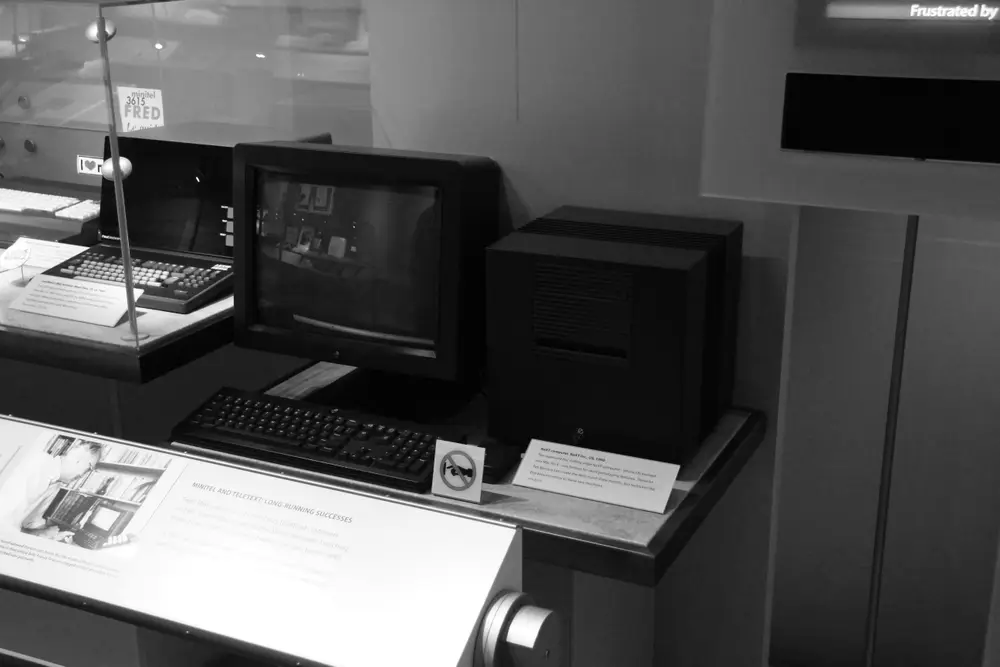
In 1985, after a bruising internal power struggle, Steve Jobs walked out of the company he had co-founded. He didn’t disappear. That same year he started NeXT, a firm built to make high-end workstations for universities and research labs. The hardware was gorgeous (and expensive), but the thing that would actually rewrite history was the software.
NeXT developed an operating system called NeXTSTEP, whose first full release shipped in 1989. Rather than start from scratch, the team built on proven UNIX technology. The recipe paired the Mach microkernel (born at Carnegie Mellon University) with components from BSD, the branch of UNIX that grew up at Berkeley. That same BSD bloodline is still very much alive today in projects like FreeBSD, OpenBSD and NetBSD.
Mach, BSD and Objective-C: a recipe ahead of its time
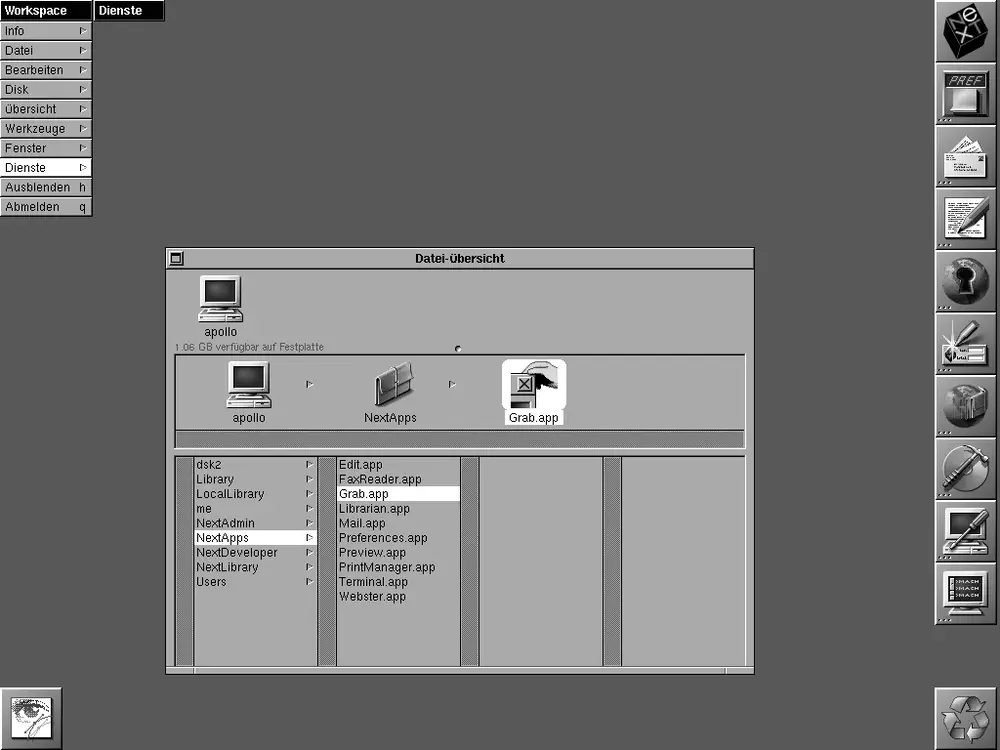
What made NeXTSTEP special wasn’t only its UNIX foundation, but how it wrapped everything together. The system went all in on object-oriented programming using the Objective-C language, paired with tools like Interface Builder that let developers assemble complex apps at a speed that felt almost unfair for the era.
Those ideas didn’t stay a 1980s curiosity. NeXT’s framework, later known as OpenStep, evolved into Cocoa, the foundation that Mac and iPhone apps are still written on today. If you’ve ever seen classes with an NS prefix (like NSString or NSObject), those two letters are literally the initials of NeXTSTEP. You won’t find a cleaner example of technology surviving for decades while the user never notices.
The prodigal son returns: Apple buys NeXT
By the mid-1990s, Apple was in trouble. Its classic operating system carried serious structural baggage: shaky stability, poor multitasking and an architecture that was aging badly. The company needed a modern OS, and it needed one fast.
In December 1996 Apple announced it was buying NeXT, a deal that closed in early 1997 for roughly $429 million. The move brought more than technology. It brought Steve Jobs back to the company he had co-founded. Overnight, NeXTSTEP became the bedrock of Apple’s future operating system. What looked like the ending of a failed business venture was actually the start of the greatest comeback in tech history.
Darwin and XNU: the Mac’s UNIX heart
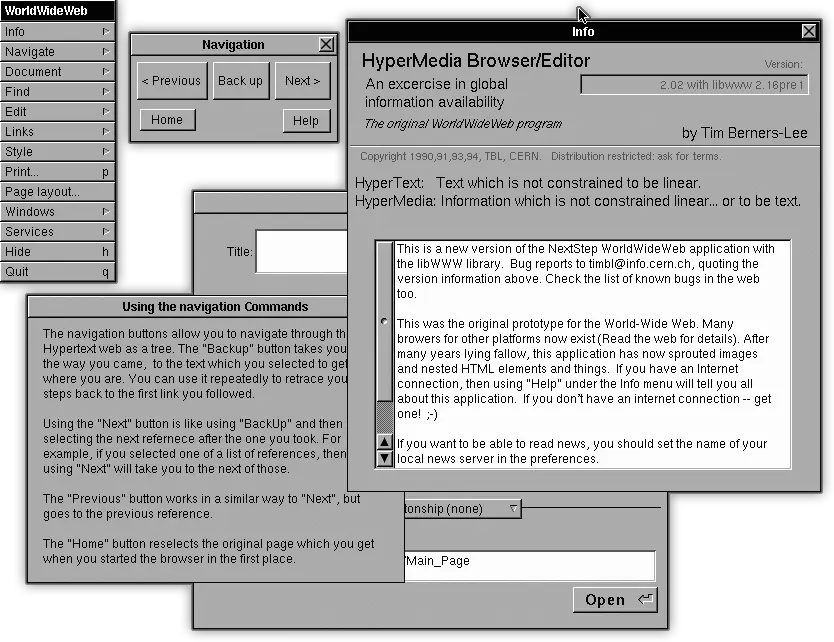
The new system needed a kernel, and this is where the inheritance turns technical. The open-source base that Mac OS X was built on is called Darwin, and its kernel is XNU (a name that plays on the recursive joke “X is Not Unix”). XNU is a hybrid kernel that fuses the Mach legacy with BSD code, much of it drawn from FreeBSD.
That’s exactly why, if you open the Terminal app on any Mac, you land in an environment instantly familiar to anyone coming from UNIX or Linux: paths like /usr and /etc, command-line tools, POSIX-style permissions and a shell waiting for input. It isn’t an imitation. It’s genuine UNIX sitting underneath the polished interface.
- Mach: handles the kernel core, memory and inter-process communication.
- BSD: provides the POSIX layer, networking, file system and classic tooling.
- Cocoa / Objective-C: the application layer inherited directly from NeXT.
“Mac OS X”, “OS X”, “macOS”: one name with three lives
The first modern release, Mac OS X 10.0 “Cheetah”, arrived in 2001 and marked the clean break from the old classic Mac OS. Over time Apple trimmed the name to OS X, and in 2016, with the Sierra release, rebranded it as macOS to line it up with the iOS, iPadOS, watchOS and tvOS family, all of which share the very same Darwin foundation.
Here’s a detail many people miss: macOS isn’t just loosely “UNIX-like”, it’s officially certified UNIX. Since Mac OS X 10.5 “Leopard” in 2007, the system has appeared in The Open Group’s register as conforming to the UNIX specification, alongside commercial systems like Oracle Solaris and IBM AIX. Few Mac owners realize they carry a direct descendant of 1970s academic UNIX in their pocket or on their desk.
A heritage that’s still alive
Next time someone claims the Mac and the open-source world have nothing in common, it’s worth remembering the chain: from Carnegie Mellon’s Mach and Berkeley’s BSD, through the NeXTSTEP of an exiled Jobs, to the macOS that drives computers, iPhones and watches today. The polished surface you see on screen is the tip of an iceberg with four decades of UNIX history beneath it. And unlike so many tech fads, this inheritance didn’t just survive. It ended up dominating the market.