
Look at the servers that keep half the internet running, at the router in your home, or at the computer in front of you right now. There is a good chance that, one way or another, the DNA of Debian sits somewhere underneath. It isn’t the flashiest distribution, and it doesn’t grab the most headlines, but it is one of the most influential pieces of software ever made. Call it the quiet grandmother of much of modern Linux.
Here we look at where Debian came from, why its community model is so unusual, and how it became the foundation under dozens of operating systems you use every day, often without realising it.
A project born out of frustration (1993)
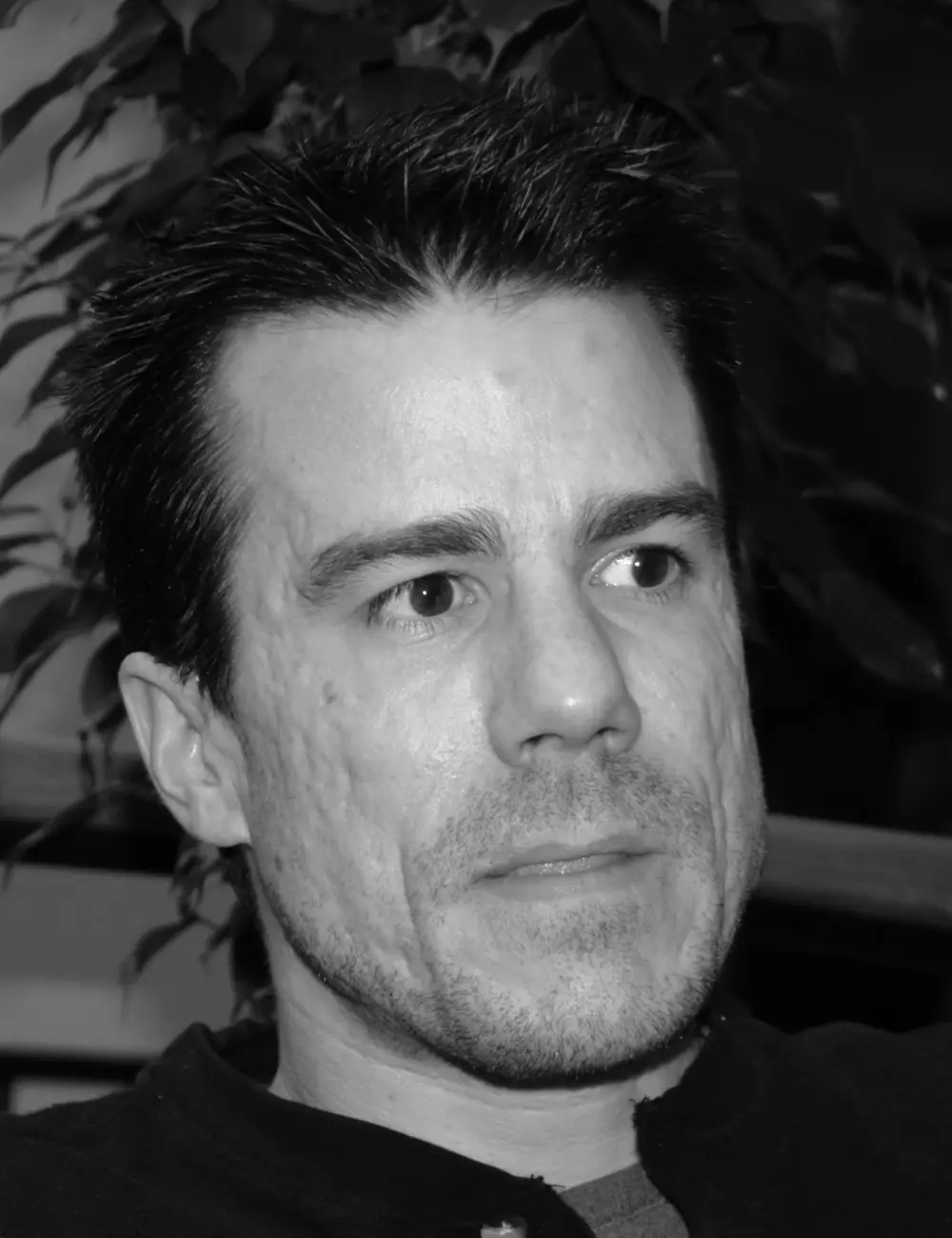
The story begins on 16 August 1993, when a student named Ian Murdock posted a message to the comp.os.linux.development newsgroup announcing a new project. He was unhappy with the Linux distributions of the time and figured it made more sense to build one from scratch, developed openly and grounded in the spirit of free software.
The name is one of the most charming in software history. Debian blends Deborah, his partner at the time, and Ian, his own name. A few months later, in January 1994, Murdock wrote the Debian Manifesto, setting down his vision of a distribution developed in the open by a community rather than a company.
In its earliest days, between 1994 and 1995, the project was sponsored by the Free Software Foundation, Richard Stallman’s organisation. That early link to the free software movement shaped the project’s character for good.
The Social Contract: what makes Debian special
This is the key to understanding why Debian is different. In 1997 the project published two documents that have become cornerstones of free software: the Debian Social Contract and the Debian Free Software Guidelines (DFSG), drafted by Bruce Perens.
The Social Contract is a statement of principles. Debian promises to remain 100% free, to give back to the community, never to hide problems, and to put its users and free software first. The DFSG, in turn, lay out concrete criteria for what counts as “free software”. That document then became the basis for the Open Source Definition itself. Much of what we understand today as “open source” grew out of the rules Debian set for itself.
There’s another trait worth noting. Debian is a community project, governed by its developers through votes and resolutions, with no parent company behind it. That sets it apart from company-backed distributions like Fedora (Red Hat) or openSUSE (SUSE).
dpkg, apt and the Toy Story branches
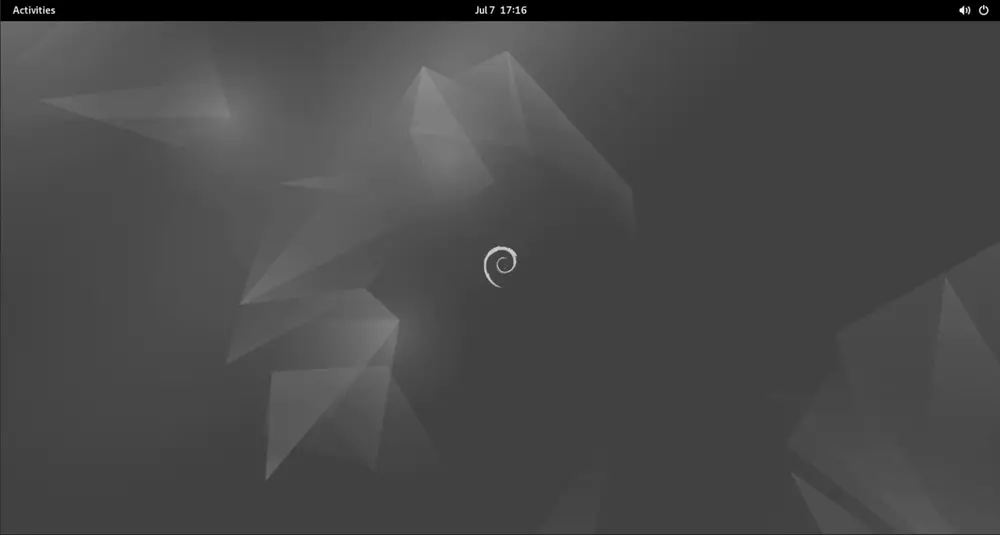
The technical achievement that made Debian famous is its package management. The low-level system is called dpkg, and on top of it sits apt, the tool that resolves dependencies and lets you install, update or remove software with a single command. Anyone who has ever typed apt install is using an idea Debian made popular.
Development is split into three branches worth knowing:
- stable: the conservative, heavily tested release. This is the one recommended for servers.
- testing: the staging ground for the next stable release, with more recent software.
- unstable: the development branch, where the newest packages land first.
The unstable branch is always called Sid, and stable releases are named after Toy Story characters. That’s no accident: Sid is the kid in the film who breaks the toys, a perfect nod to the branch where things sometimes break.
Why Debian powers half the internet
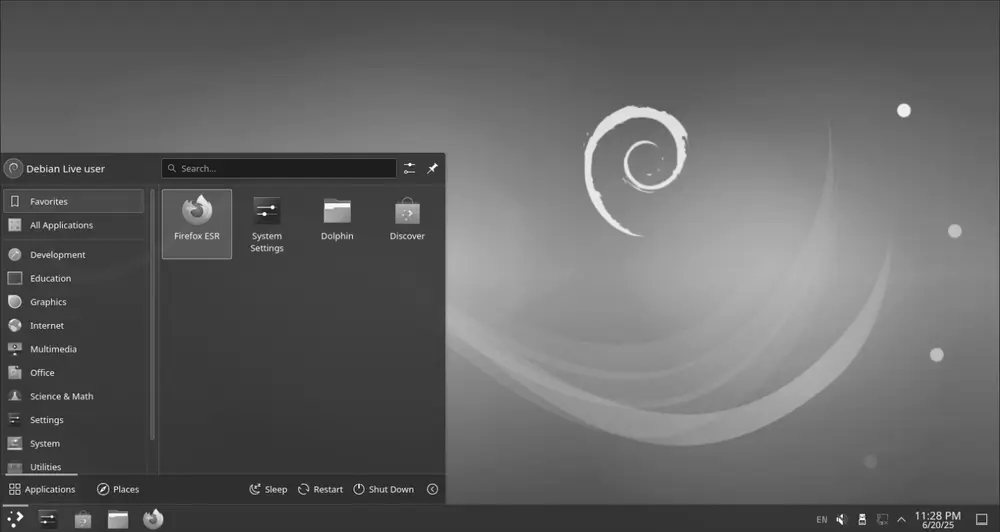
Here is the real reason for its fame. Debian is the trunk from which some of the most widely used distributions on the planet have grown out:
- Ubuntu, created by Canonical, is probably the most familiar face of Linux and is built directly on Debian.
- Linux Mint, a favourite for people coming from Windows, draws in turn on Ubuntu and Debian.
- Kali Linux, the go-to distribution for security and penetration testing, is Debian underneath.
- Devuan was born as a fork of Debian for those who prefer to do without systemd.
- Raspberry Pi OS, the system for the popular tiny computers, is a tailored version of Debian.
Add to that its reputation for stability and a gigantic package archive, with tens of thousands of programs ready to install. That mix of solidity and breadth is what turned Debian into the trusted choice for servers worldwide. When you browse a website, there’s a strong chance the machine serving it runs Debian or one of its descendants.
A legacy that keeps growing
Ian Murdock passed away in December 2015, but his creation is more alive than ever. What’s remarkable is that Debian outlived its own founder precisely because it never depended on a single person or a single company. It is a collective project, governed by thousands of volunteers across the globe.
That may be the best lesson of the whole story. While other systems come and go, Debian endures, slow but steady, quietly holding up an enormous slice of the digital infrastructure we use every day. If you really want to understand the Linux world, starting with Debian means starting at the root.